San Cristobal Island, Galapagos
The Historical Gateway to Galapagos
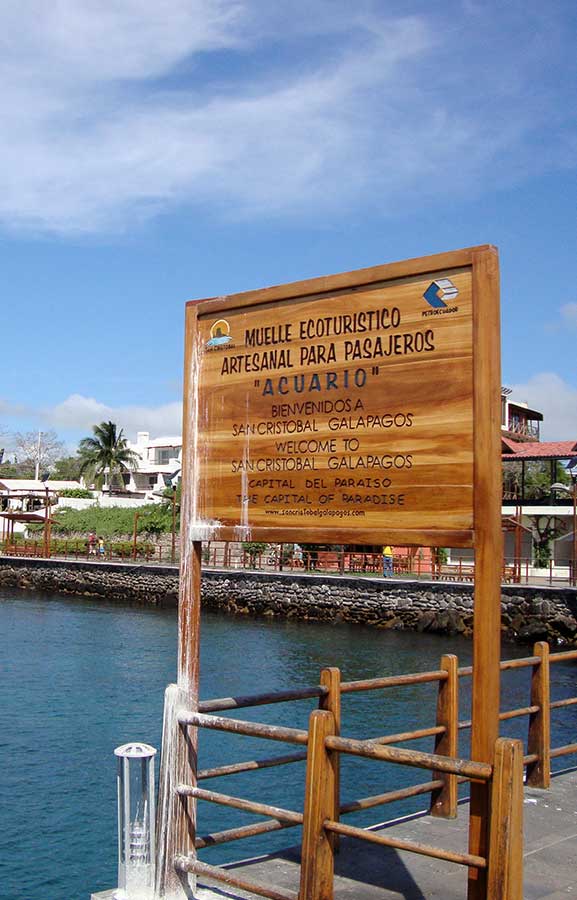
San Cristobal Island is the easternmost island of the archipelago and the first place where Charles Darwin set foot in 1835. As the provincial capital (Puerto Baquerizo Moreno), it offers a unique blend of vibrant local culture, deep history, and some of the most diverse wildlife encounters in the Pacific.
Spanning 558 km², San Cristobal is formed by several extinct volcanoes. Its diverse ecosystems range from arid, “alien” lava fields on the coast to lush, freshwater-fed highlands—a rarity in the Galapagos.




Key Visitor Points
Kicker Rock (Leon Dormido)
The ultimate snorkeling and diving landmark. This massive tuff cone rises 140 meters (459 ft) sheer out of the ocean.
- Wildlife: It is widely recognized as the best day trip in the Galapagos for encountering marine megafauna, such as hammerhead sharks, Galapagos sharks, and majestic eagle rays.
Punta Pitt
The only site in the entire archipelago where you can see all three species of boobies nesting together: Blue-footed, Red-footed, and Nazca boobies.
- The Hike: A steep climb leads to a plateau with breathtaking views of the volcanic coastline.
Interpretation Center & Frigatebird Hill
Located on the edge of Puerto Baquerizo Moreno, this center provides the best historical context of the islands.
- The Trail: Leads to Cerro Tijeretas, where Great and Magnificent Frigatebirds nest side-by-side.
El Junco Lagoon
One of the few permanent freshwater sources in the Galapagos. It is a rain-filled caldera located 700 meters above sea level in the highlands.
- Wildlife: Watch frigatebirds “washing” the salt off their wings in the fresh water.
Wildlife on San Cristobal Island
San Cristobal is the kingdom of the Galapagos Sea Lion. They are everywhere—from the town’s park benches to the remote beaches of La Lobería.
- San Cristobal Mockingbird: An endemic species found only on this island. It is a “must-spot” for serious birdwatchers.
- The Three Boobies: As mentioned, the unique trifecta (Blue, Red, and Nazca) at Punta Pitt.
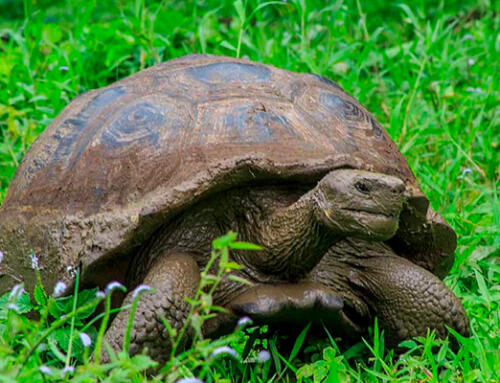
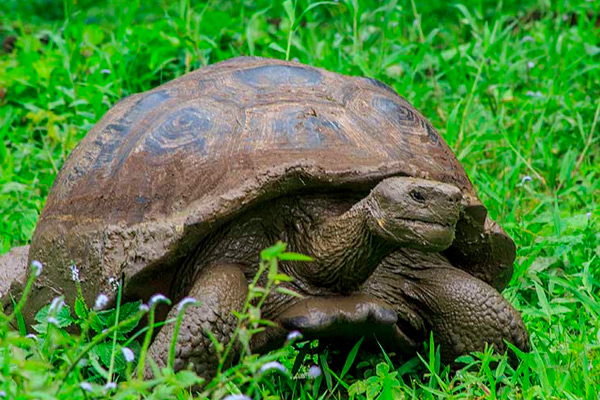
- Galapagos Giant Tortoises: Specifically the Chelonoidis chathamensis, which can be seen at the La Galapaguera breeding center.
Quick Facts
| Feature | Details |
| Status | Inhabited (Capital of Galapagos) |
| Main Port | Puerto Baquerizo Moreno |
| Unique Wildlife | San Cristobal Mockingbird & Red-footed Boobies |
| Top Landmark | Kicker Rock (León Dormido) |
| Airport Code | SCY (San Cristobal Airport) |
| Best For | History, Surfing, Diving, and Birdwatching |
Frequently Asked Questions (FAQ)
Is San Cristobal or Santa Cruz better for a stay?
San Cristobal is generally quieter and more laid-back than Santa Cruz. It is ideal for travelers who want to walk to beaches (like Playa Mann or Carola) directly from their hotel and enjoy a more “local” feel.
Can I see Red-footed boobies in San Cristobal?
Yes, but primarily at Punta Pitt. This is one of the very few accessible sites in the islands to see the red-footed variety, as they usually prefer the far northern islands like Genovesa.
What is the best way to get to Kicker Rock?
Kicker Rock is accessible only by boat. Most travelers book a full-day diving or snorkeling tour from Puerto Baquerizo Moreno, which often includes a stop at a nearby beach like Puerto Grande.
Is there an airport on San Cristobal?
Yes, San Cristobal Airport (SCY) receives daily flights from mainland Ecuador (Quito and Guayaquil). It is located just 5 minutes from the town center.
Visiting San Cristobal
Whether you are starting your cruise here or exploring by land, San Cristobal offers the perfect balance of infrastructure and raw nature.
Pro Tip: San Cristobal is the surfing capital of the Galapagos. If you are an experienced surfer, head to Tongo Reef or Punta Carola for world-class breaks.