Española Island, Galapagos
The Majestic Sanctuary of Waved Albastross
Española Island (also known as Hood) is one of the oldest and most remote islands in the Galapagos, estimated to be around 4.5 million years old. Located at the southernmost point of the archipelago, its isolation has led to a high rate of endemicity, meaning many of its species are found nowhere else on Earth.
Española is a world-renowned paradise for birdwatchers and photographers, offering some of the most dramatic cliffside scenery and the most famous wildlife displays in the entire archipelago.
A Conservation Legend: The Española Tortoise
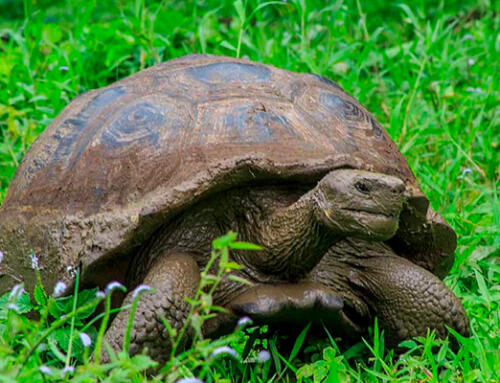
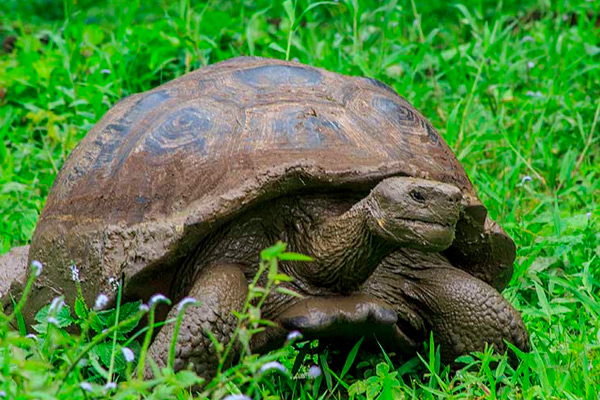
Española is the setting for one of the greatest success stories in biology. By the 1960s, only 14 Española Giant Tortoises remained. Thanks to a legendary breeding program (and the famous tortoise “Diego”), the population has been restored to over 1,500 individuals living in the wild today, making the island a symbol of hope for global conservation.


Key Visitor Points
Suarez Point (Punta Suarez)
Often called the “jewel of the Galapagos,” this site offers a high-intensity wildlife experience along a rocky 2-mile trail.
- The Blowhole (El Soplador): A spectacular natural geyser that shoots seawater up to 25 meters (75 ft) into the air through a volcanic fissure.
- The Cliffs: High, jagged cliffs that serve as “runways” for large seabirds.
- Wildlife: Home to the largest Marine Iguanas in the islands, famous for their red and green “Christmas” colors during the breeding season.
Gardner Bay (Bahía Gardner)
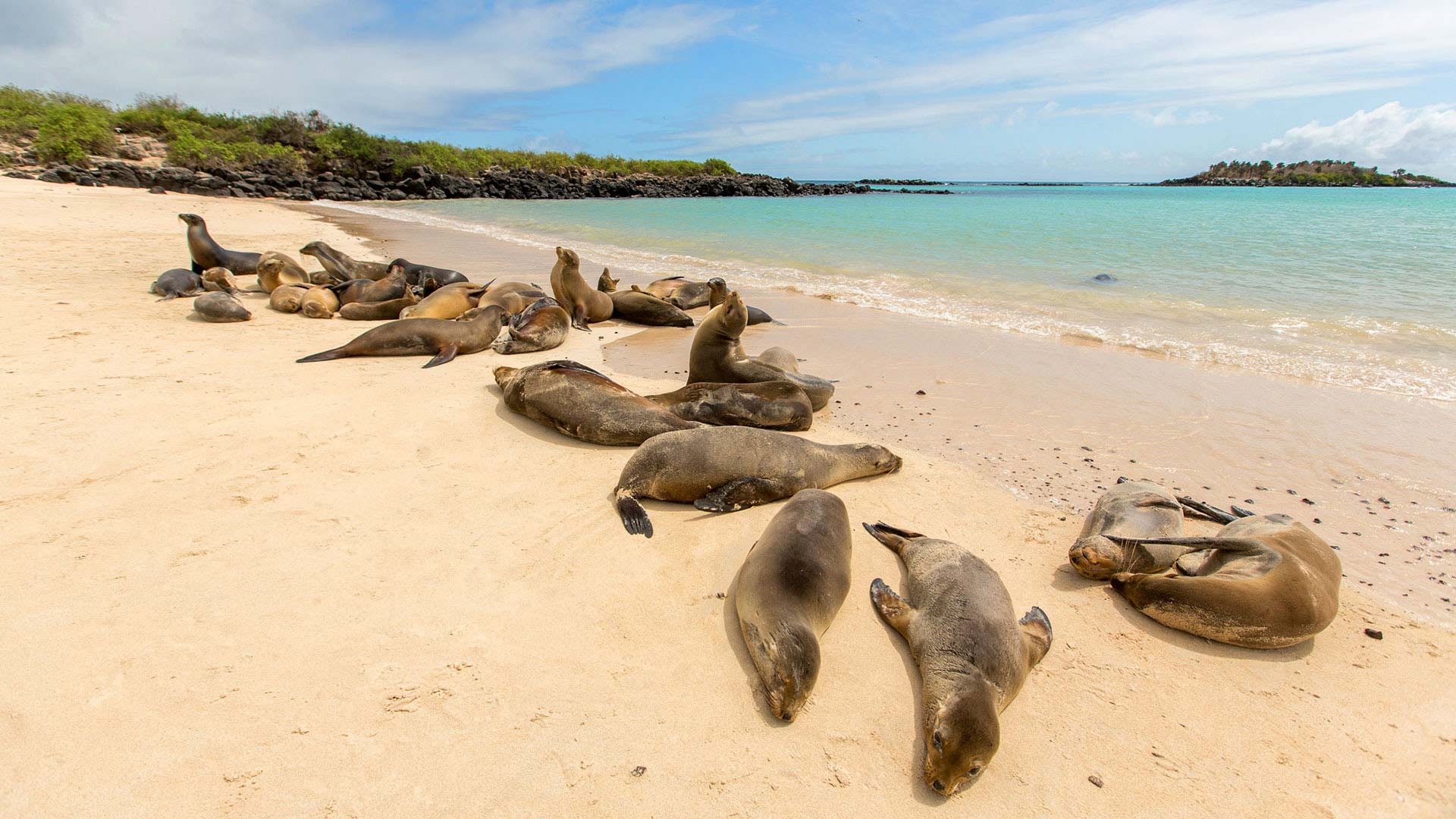
Consistently ranked as one of the best beaches in the world, this 2-kilometer stretch of shimmering white coral sand is a paradise for relaxation.
- Sea Lion Colony: Large numbers of curious sea lions inhabit the beach. It is one of the best places for a “wet landing” and sunbathing alongside wildlife.
- Snorkeling: Nearby Turtle Rock and Gardner Islet offer crystal-clear waters to swim with white-tip reef sharks, rays, and schools of tropical fish.
Wildlife Guide: The Stars of Española
The Waved Albatross (Phoebastria irrorata)
Española is the only place on Earth where the entire world population of Waved Albatrosses comes to breed.
- When to see them: They are present on the island from April to December.
- The Highlight: Their complex mating dance, involving beak-clapping and synchronized bowing, is a bucket-list event for nature lovers.
The “Christmas” Marine Iguana
Unique to Española, these iguanas turn bright red and turquoise green during the mating season (starting in January), making them the most colorful lizards in the archipelago.
Blue-footed & Nazca Boobies
You can witness the famous “blue-foot” courtship dance here. Additionally, the cliffs of Suarez Point host the largest colony of Nazca Boobies in the Galapagos.
Quick Facts
| Feature | Details |
| Age | ~4.5 million years (One of the oldest) |
| Status | Uninhabited & Highly Isolated |
| Endemics | Waved Albatross, Española Mockingbird, Hood Tortoise |
| Top Sites | Punta Suarez (Hiking) & Gardner Bay (Beach/Snorkel) |
| Access | Cruises (Southern Route) or Day Tours from San Cristobal |
| Geology | Flat, basaltic terrain with dramatic sea cliffs |
Frequently Asked Questions (FAQ)
When is the best time to see the Albatross on Española?
The Waved Albatross is only on the island from April to late December. They spend the rest of the year at sea. The best time to see the chicks is between September and November.
Can I visit Española on a day tour?
Yes, absolutely! Española is a highlight of the archipelago and is accessible via a day tour from San Cristobal Island. The boat ride takes approximately 2 hours each way, offering a scenic journey across the Pacific.
Visiting on a day tour is a fantastic way to experience the island’s world-famous wildlife — including the “Christmas Iguanas” and the Waved Albatross — while still returning in time to enjoy a relaxing sunset dinner on the waterfront terrace at Angermeyer Waterfront Inn.
What is the “Blowhole” at Punta Suarez?
It is a geological formation where waves are forced through a lava tube, creating a high-pressure spray of water. It is most active during high tide and is a highlight of the Punta Suarez hike.
Why are the iguanas red and green?
The marine iguanas of Española are a distinct subspecies. Their bright “Christmas” colors appear during the breeding season (January–March) due to their diet and hormonal changes, unlike iguanas on other islands which remain mostly black or grey.
Visiting Española
To experience the full magic of the Albatross and the cliffs of Punta Suarez, look for Southern Itineraries on expedition cruises.
Visiting Española, Galapagos
Explorers may join a Galapagos Islands cruise visiting the southern islands to enjoy the snorkeling spots and visitor sites of Española. An Española Island day tour is also possible from San Cristobal Island.