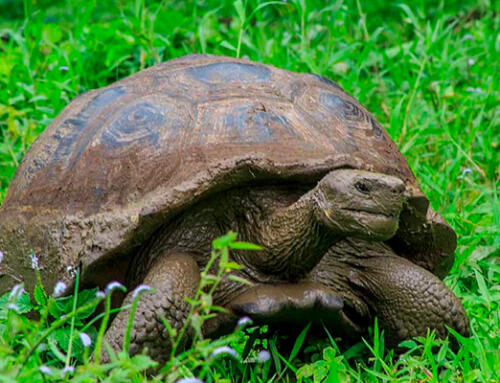
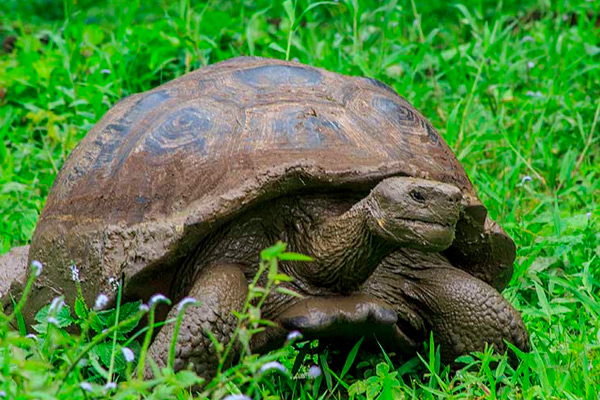
Santiago Island, Galapagos
A Masterpiece of Volcanic Art and Ecological Restoration
Santiago Island (also known as James or San Salvador) is the fourth-largest island in the Galapagos. Located in the western-central part of the archipelago, it is a geological marvel formed by two overlapping volcanoes.
Once described by Charles Darwin as having “the most striking scenery in the world,” Santiago is a place where history, geology, and one of the world’s most successful ecological restoration projects meet.
A Success Story in Conservation
For decades, Santiago suffered from invasive species. However, through a massive effort by the Galapagos National Park, it is now free of feral pigs, goats, and donkeys.
- The Result: The vegetation is recovering at an incredible rate, and species like the Galapagos Land Iguana, which had disappeared from the island for 188 years, were successfully reintroduced in 2019 and are now breeding naturally.


Key Visitor Points
James Bay & Puerto Egas
This northwestern bay is where Darwin stayed for nine days in 1835.
- Puerto Egas: Famous for its “grottos” (deep pools in the volcanic shoreline). It is the premier spot to see the Galapagos Fur Seal (smaller and more shy than sea lions) lounging in the shade of lava arches.
- The Salt Mine: An inland trail leads to a crater where salt was extracted in the 1920s and 60s. Today, it’s a tranquil spot for spotting flamingos and hawks.
Sullivan Bay
A “living textbook” of geology. This site features a massive Pahoehoe lava flow from an eruption in 1897.
- What to see: The surface looks like a frozen sea of black rope. You can see “lava bubbles” and molds of trees that were incinerated by the flow. It is arguably the best place in the world to photograph volcanic structures.
Espumilla Beach
A golden-sand beach on the northern edge of James Bay.
- Wildlife: A vital nesting site for Green Sea Turtles. The trail leads to a seasonal lagoon where white-cheeked pintail ducks and flamingos congregate.
Chinese Hat (Sombrero Chino)
A small islet just off the southeastern tip of Santiago.
- Geology: A spatter cone that perfectly resembles a traditional hat.
- Activity: The channel between Chinese Hat and Santiago offers turquoise waters perfect for snorkeling with white-tip reef sharks and Galapagos penguins.
Wildlife Guide: What to Spot
Santiago offers a unique mix of terrestrial and marine species that are highly adapted to its basaltic landscape.
- Galapagos Fur Seals: Unlike sea lions, they prefer the rocky, shaded grottos of Puerto Egas.
- Land Iguanas: Look for them around Puerto Egas and Buccaneer Cove; they are the “new” residents successfully returned to their ancestral home.
- Galapagos Hawk: Often seen perched on lava rocks or hovering over the Salt Mine crater.
- Marine Life: During snorkeling, it is common to see octopus, rays, and sharks. The waters around Cousin’s Rock are legendary for sightings of hammerhead sharks (for divers) and sea horses.
Quick Facts For Travels
| Feature | Details |
| Names | Santiago, James, or San Salvador |
| Size | 585 $km^2$ (4th largest) |
| Conservation Status | Successfully restored (Invasive species free) |
| Geology | Extensive Pahoehoe lava fields & overlapping shield volcanoes |
| Key Attraction | Sullivan Bay (Lava flows) & Puerto Egas (Fur seals) |
| Darwin Connection | The island where Darwin spent his longest stay (9 days) |
Frequently Asked Questions (FAQ)
What is the difference between Sea Lions and Fur Seals on Santiago?
In Puerto Egas, you can see both. Sea lions have visible ear flaps and like sandy beaches, while Galapagos Fur Seals have much larger eyes, a thicker coat, and prefer resting in the cool, shaded lava grottos away from the direct sun.
Can you see the Land Iguanas Darwin described?
Yes! After being extinct on the island for nearly two centuries due to invasive pigs, land iguanas were reintroduced to Santiago in 2019. They are now thriving and can be spotted along the trails near the coast.
Why is Sullivan Bay so famous?
Sullivan Bay is world-renowned for its pristine Pahoehoe lava flow. It is so well-preserved that it looks like it cooled yesterday, even though the eruption occurred in 1897. It’s a favorite for photographers and geologists.
Is Santiago Island inhabited?
No, Santiago is currently uninhabited. However, it has a rich history of human attempts to settle, including salt mining operations and visits by pirates and whalers in Buccaneer Cove.
Visiting Santiago Island
Santiago is a centerpiece of both Central and Northern cruise itineraries.
- Pro Tip: If you love snorkeling and geology, ensure your cruise stops at Sullivan Bay. For wildlife lovers, Puerto Egas is non-negotiable.
- Access: Only via authorized expedition cruises. No land-based day trips from Puerto Ayora reach the interior highlights of Santiago effectively.