Isabela Island, Galapagos
Isabela Island: The Volcanic Giant of Galapagos
Isabela Island (also known as Albemarle) is the largest island in the Galapagos Archipelago. Shaped like a seahorse, it was formed by the merger of six shield volcanoes—Alcedo, Cerro Azul, Darwin, Ecuador, Fernandina (partially), and Sierra Negra—five of which are still active today.
Isabela offers a unique blend of geological raw power and incredible biodiversity, making it a mandatory stop for anyone looking to see “the best of everything” in the Galapagos.


🌋 The Land of Fire: Sierra Negra Volcano
Isabela is home to Sierra Negra, which boasts the second-largest volcanic caldera in the world (about 10 km in diameter).
- Recent Activity: Its last major eruption was in 2018, but it remains one of the most monitored volcanoes globally.
- The Experience: Hiking to the rim of Sierra Negra offers an “otherworldly” view of the basaltic caldera and the sulfur fumaroles of Volcan Chico.
📍 Key Visitor Points
Los Tuneles (The Tunnels)
Considered by many as the best snorkeling site in the Galapagos.
- The Landscape: Arches and tunnels formed by lava flows into the ocean, creating calm, turquoise pools.
- Wildlife: Swim with Pacific Green Sea Turtles, Seahorses, White-tip Reef Sharks, and the iconic Galapagos Penguin.
Tintoreras Islet
A short boat ride from Puerto Villamil.
- What to see: A crevice where white-tip reef sharks (Tintoreras) rest in shallow, crystal-clear water. It is also a prime spot to see marine iguanas nesting and penguins.
The Wetlands & Wall of Tears (Muro de las Lagrimas)
A site that combines nature with history.
- History: A massive wall built by prisoners when Isabela was a penal colony (1945–1959).
- Wildlife: The path to the wall is the best place to spot wild Giant Tortoises and Darwin’s Finches in the lowlands.
Elizabeth Bay & Tagus Cove
Accessible only via cruise, these sites in the western part of the island are wild and remote.
- Tagus Cove: A historic site where pirates and whalers carved their names into the cliffs.
- Elizabeth Bay: A sanctuary for flightless cormorants and penguins, explored by zodiac (panga).
🐾 Wildlife Guide: The Big Five of Isabela
- Galapagos Penguin: Isabela (and Fernandina) is the only place where you can find large colonies of these penguins.
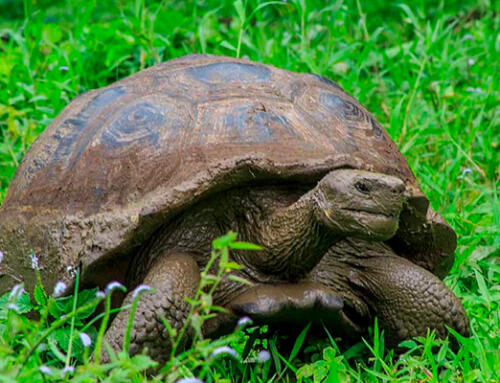
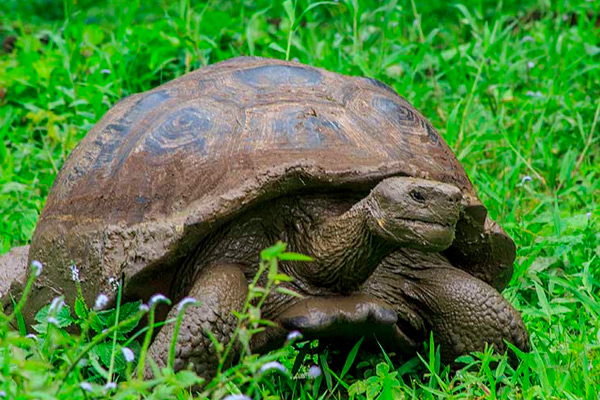
- Giant Tortoises: Isabela has five distinct subspecies, one for each major volcano.
- Marine Iguanas: Some of the largest colonies in the archipelago reside here.
- Flightless Cormorants: Found specifically in the nutrient-rich western waters of the island.
- Blue-footed Boobies: Frequently seen diving and nesting along the rocky shores.
📊 Quick Facts
| Feature | Details |
| Size | 4,640 $km^2$ (Largest in Galapagos) |
| Human Settlement | Puerto Villamil (Pop: ~2,200) |
| Volcanoes | 6 Shield Volcanoes (Sierra Negra is the most visited) |
| Top Activity | Snorkeling at Los Tuneles & Hiking Sierra Negra |
| Access | Cruises, Inter-island flights, or Speedboats from Santa Cruz |
| Uniqueness | The only place where the equator passes through an island |
❓ Frequently Asked Questions (FAQ)
Can I visit Isabela without a cruise?
Yes! Isabela is one of the four inhabited islands. You can stay in Puerto Villamil and take daily tours to Los Tuneles, Tintoreras, and the Sierra Negra volcano.
How do I get from Santa Cruz to Isabela?
The most common way is by public speedboat (lancha), which takes about 2 to 2.5 hours. Alternatively, there are small inter-island planes (Emetebe or Fly Galapagos) for a 30-minute scenic flight.
Are there penguins in Isabela all year round?
Yes. Unlike other seasonal animals, Galapagos Penguins are year-round residents. They are most easily seen at Tintoreras or during a snorkeling tour to Los Tuneles.
Is the hike to Sierra Negra difficult?
It is a moderate hike of about 16 km (9.9 miles) round trip. The terrain is relatively flat but can be very hot and exposed. Good walking shoes and sun protection are mandatory.
🚢 Visiting Tips for Isabela
- Western Cruises: To see the truly remote parts like Tagus Cove or Fernandina’s border, you must book an expedition cruise.
- Land-Based: If you prefer staying on land, we recommend at least 3-4 nights in Isabela to fully appreciate its scale.
Visiting Isabela Island
A cruise is the best way to visit the Galapagos Islands, including Isabela. Live-aboard boats allow travelers to see as much of the archipelago as possible without going back and forth to your island base. However, if you prefer a land-based trip, Isabela is one of the few islands in the Galapagos where you can find accommodation options.