

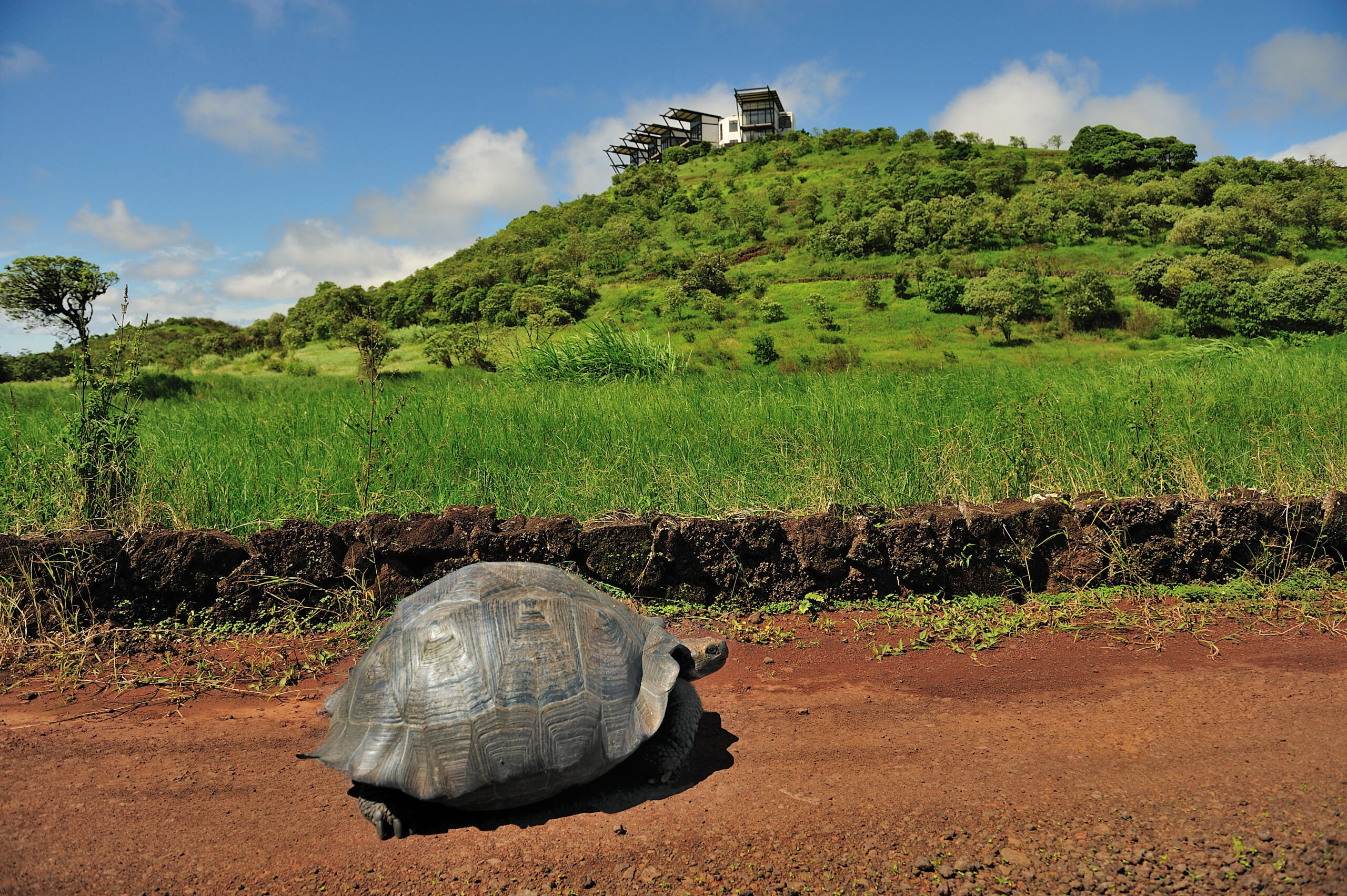
The Galapagos Islands are a unique and unforgettable destination, attracting travelers from all over the world with their remarkable biodiversity. One of the most iconic creatures on these islands is the Galapagos Giant Tortoise. These ancient reptiles, known for their impressive size and slow-moving nature, are an enduring symbol of the archipelago. If you’ve ever wondered where to see these magnificent creatures in their natural habitat, this guide will help you find the best spots to observe them in their wild environment.
Exploring the Habitats of the Galapagos Giant Tortoises
The Galapagos Giant Tortoises can be found across various islands within the archipelago, each offering different environments and experiences. Whether you’re hiking through volcanic landscapes or exploring lush highlands, you’ll have plenty of opportunities to encounter these remarkable animals in the wild.
1. Santa Cruz Island
Santa Cruz is perhaps the most famous island for observing the Galapagos Giant Tortoises in their natural habitat. The island’s Charles Darwin Research Station is dedicated to the conservation of these iconic creatures, and it offers visitors the chance to learn more about their biology, history, and ongoing conservation efforts. From the research station, you can also take guided tours to nearby tortoise breeding centers, where you’ll have the opportunity to observe the tortoises in a more natural setting.
Santa Cruz is also home to the El Chato Reserve in the highlands. This lush, humid area is where you’ll find many Galapagos Giant Tortoises roaming freely. The reserve’s volcanic craters and dense vegetation create an ideal environment for the tortoises to thrive, and you can often see them wandering near the mud pits or grazing on the native vegetation.
2. Isabela Island
Isabela Island, the largest island in the Galapagos, is another prime location for spotting Galapagos Giant Tortoises. Here, you’ll find the Sierra Negra Volcano, which offers a stunning backdrop for the tortoises’ natural habitat. The Tortoise Breeding Center on Isabela is another great spot to learn about the conservation efforts aimed at protecting these gentle giants. From Isabela, you can explore the island’s highlands, where Galapagos Giant Tortoises are commonly found in the wild.
The island’s varied ecosystems—from volcanic landscapes to tropical forests—offer a diverse environment for the tortoises. Many visitors are lucky enough to see them in their natural habitats as they wander through the lush greenery or bask in the sun.
3. San Cristobal Island
San Cristobal, the easternmost island in the Galapagos, also boasts its share of Galapagos Giant Tortoises. The Galapagos National Park on the island protects a variety of ecosystems where the tortoises roam freely. You can visit the Jardin de la Galapaguera, a conservation area dedicated to protecting the native tortoise species. It’s a fantastic spot for anyone looking to see these creatures up close in a protected environment.
Additionally, San Cristobal is home to some of the oldest tortoises in the Galapagos, which is part of its charm for tortoise enthusiasts. The island’s diverse landscape, which includes dry zones and coastal regions, provides an excellent chance to spot the tortoises in a range of habitats.
4. Floreana Island
Floreana Island is another location where Galapagos Giant Tortoises can be found in the wild. Historically, the tortoises on Floreana were critically endangered due to hunting and the introduction of invasive species. However, conservation efforts on the island have led to a recovery of their population, and today, you can observe them in the wild on guided eco-tours. Floreana is also famous for its Post Office Bay, where visitors can leave and receive letters in the traditional way, making it a memorable stop for those looking to see tortoises in their natural environment.

Why the Galapagos Giant Tortoises Are So Special
The Galapagos giant tortoises are one of the most iconic and unique species in the world, known for their impressive longevity and ability to adapt to the diverse ecosystems of the archipelago. Their massive size and lifespan, which can exceed 100 years, make them a symbol of resilience and evolution. These tortoises play a crucial role in the Galapagos ecosystem, helping to maintain ecological balance through their diet, which includes a variety of plants and fruits. Additionally, their evolutionary history is fascinating, as they have adapted remarkably to the different islands of the archipelago, developing specific traits suited to their environment. Conserving these tortoises is vital not only to preserve local biodiversity but also to maintain the natural balance.
FAQs About Galapagos Giant Tortoises
- Where can I see Galapagos Giant Tortoises in the wild?
You can see them in their natural habitat on islands like Santa Cruz, Isabela, San Cristobal and Floreana. - What is the best time of year to see Galapagos Giant Tortoises?
The best time to visit is during the dry season, from June to December, when tortoises are more active and easier to spot. - How many different species of Galapagos Giant Tortoises are there?
There are 15 recognized subspecies, each adapted to specific islands within the Galapagos. - Can I get close to the tortoises?
Yes, but it’s essential to follow guidelines to avoid disturbing them. Always maintain a respectful distance. - What do Galapagos Giant Tortoises eat?
They primarily feed on grasses, cacti, and other vegetation that grow in their habitat. - Why are Galapagos Giant Tortoises endangered?
They were historically hunted for food, and the introduction of invasive species has also threatened their survival. - Can I visit a breeding center to see the tortoises?
Yes, breeding centers like those on Santa Cruz and Isabela offer a chance to learn about conservation efforts and see tortoises up close. - How long do Galapagos Giant Tortoises live?
They can live for over 100 years, making them one of the longest-living creatures on the planet.
Conclusion
Visiting the Galapagos Islands and seeing the Galapagos Giant Tortoises in their natural habitat is an experience that stays with you forever. These ancient reptiles, with their remarkable size and serene presence, are not only a living link to the past but also a symbol of the incredible biodiversity the islands offer. Whether you explore the highlands of Santa Cruz, the volcanic landscapes of Isabela, you’ll have the chance to observe these majestic creatures in some of the most stunning natural environments on Earth.
Conservation efforts continue to protect these incredible animals, ensuring that future generations will be able to witness the magic of the Galapagos Giant Tortoises in their wild habitats. Whether you are visiting for educational purposes or simply to appreciate the beauty of these animals, your time in the Galapagos will undoubtedly be one of the most unforgettable experiences of your life. Don’t miss the opportunity to encounter these living fossils—nature’s true wonders—on your next Galapagos adventure!