

A Living Museum: The Ultimate Guide to Galapagos Island Animals
The fundamental reason for embarking on a trip to the Galapagos is the unparalleled opportunity to stand inches away from creatures that exist nowhere else on the planet and have no instinctive fear of human presence. From the prehistoric Giant Tortoises that roam the misty highlands of Santa Cruz to the Flightless Cormorants that dive into the nutrient-rich waters of the western islands, the archipelago is a living, breathing museum of biology and evolution. On a Galapagos island animals expedition, you will encounter marine iguanas sneezing salt crystals on jagged black lava rocks, blue-footed boobies performing their rhythmic courtship dances, and sea lion pups that may curiously approach your snorkeling mask in the crystal-clear shallows. Each island is a unique micro-ecosystem, and understanding the distribution of these species is the key to choosing the perfect cruise or land-based tour.

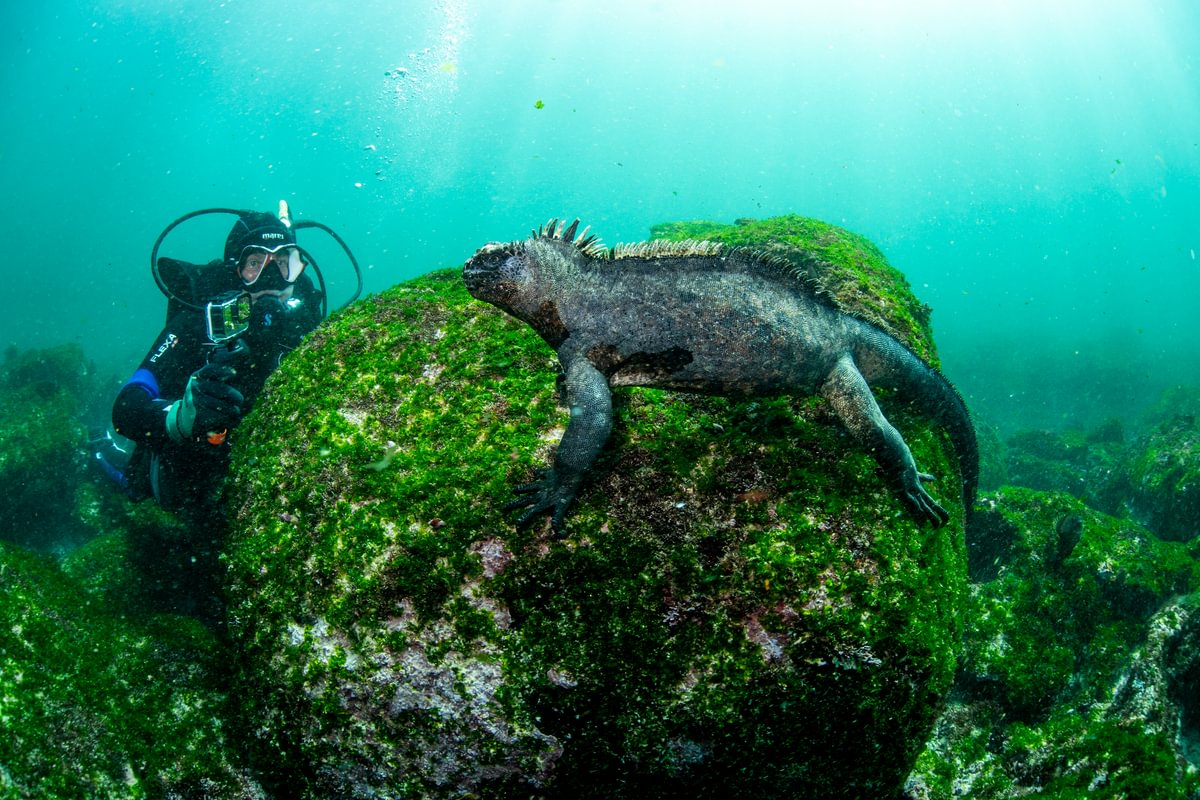
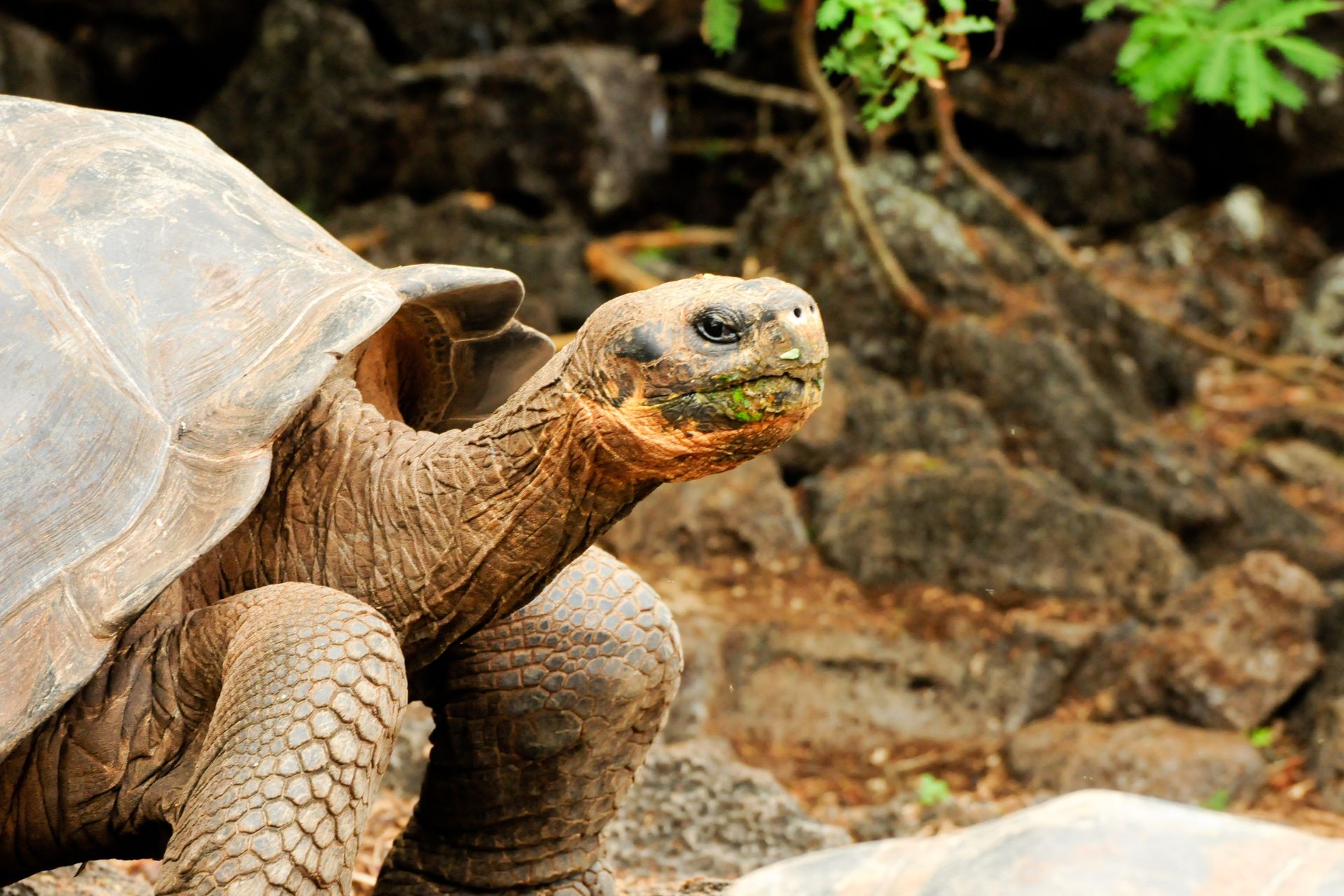
Exploring the diversity of the fauna requires more than just a camera; it requires an expert naturalist guide who can explain the subtle differences between species that inspired Charles Darwin nearly two centuries ago. In the southern reaches of the archipelago, Española Island serves as the exclusive nesting site for the Waved Albatross, birds that spend years at sea without ever touching land before returning to these volcanic cliffs to find their lifelong mates. To the north, the sunken caldera of Genovesa Island is a sanctuary for red-footed boobies and great frigatebirds. The marine world is equally diverse, with hammerhead sharks, manta rays, and the small but fast Galapagos penguins sharing the same cold, nutrient-dense currents. Protecting these Galapagos island animals is a global responsibility, and every visitor plays a vital role in the conservation efforts that keep this volcanic paradise wild.
Evolutionary Miracles and Marine Biodiversity
What makes the wildlife here so unique is the concept of island gigantism and specialized adaptation. The Giant Tortoises, for instance, evolved different shell shapes depending on the height of the vegetation on their respective islands. The marine iguana is the only lizard in the world that has learned to swim and forage in the ocean, a testament to the extreme pressures of the volcanic environment. During your trip to the Galapagos, you will learn that every animal has a story of survival and ingenuity. Whether you are watching the tiny Galapagos finches or the massive whale sharks that pass through the northern waters, you are witnessing the results of millions of years of isolated evolution. At Galapagos Island, we ensure that our tours provide the best vantage points to witness these behaviors without disturbing the natural balance of the ecosystem.

FAQs: Understanding Your Wildlife Encounters
When is the best time of the year to see the Waved Albatross in action?
These massive birds are only present on Española Island from April to late December. During the rest of the year, they live entirely at sea, sleeping on the waves. If seeing their spectacular courtship dance is a priority for your journey, you must plan your visit within this specific eight-month window. It is one of the most sought-after sights for birdwatchers and nature photographers globally.
Are the animals really not afraid of human presence, and how close can I get?
Because the animals of the archipelago evolved without terrestrial predators, they never developed a fear response to humans. This unique lack of fear allows for incredibly close and personal photography opportunities. However, the Galapagos National Park strictly enforces a rule of maintaining a minimum distance of two meters at all times to ensure the animals remain undisturbed in their natural behaviors.
Which island is best for seeing the famous Blue-footed Boobies?
While they can be seen throughout the archipelago, North Seymour and Española are renowned for their large nesting colonies. Witnessing their elaborate “whistling” and “foot-lifting” dance is most common during the breeding season, which varies but often peaks between June and August.
Can I see Galapagos penguins all year round?
Yes, penguins are present year-round, primarily in the western islands of Isabela and Fernandina where the water is coldest. They are the only penguin species that lives north of the equator in the wild, and snorkeling with them is one of the most magical experiences the islands offer.
Are there any dangerous animals I should be aware of while hiking or snorkeling?
The Galapagos is remarkably safe. The most “dangerous” animals are actually the male sea lions during mating season, who can be territorial on beaches. In the water, hammerhead and reef sharks are generally indifferent to humans. We always recommend following your guides instructions to stay safe and respectful of the wildlife.
Full Articles About Each Island in Galapagos