

Galapagos Islands Diving: Top 7 Dive Sites You Must Visit
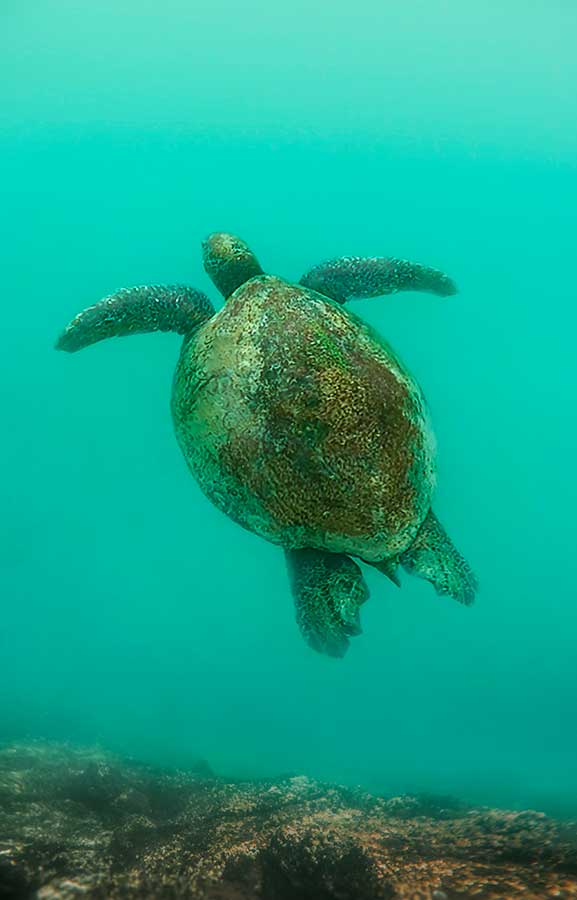
Imagine descending into the deep blue and immediately being surrounded by hundreds of hammerhead sharks, playful sea lions, and ancient marine turtles. This isn’t a fantasy; it is the daily reality of Galapagos Islands diving. Known as one of the Seven Underwater Wonders of the World, this archipelago offers an experience that is unrivaled anywhere else on the planet.
Whether you are an experienced diver looking for a challenge or a nature enthusiast wanting to swim with marine iguanas, the Galapagos offers a biodiversity that is simply staggering. Below, we explore why this destination is unique and list the top sites you cannot miss.
What Makes Galapagos Islands Diving So Special?
The Galapagos Islands are situated at the confluence of three major ocean currents. This unique mix of nutrient-rich waters attracts an incredible variety of pelagic life. Unlike Caribbean diving, which is often about colorful coral, Galapagos Islands diving is all about the big action: whale sharks, schools of rays, giant sunfish (Mola Mola), and massive pods of dolphins.
However, the currents can be strong, meaning choosing the right dive site for your skill level is essential. Here are the top 7 sites that put The Galapagos Islands on the map.



1. Darwin Island (The Arch)
Often cited as the single best dive site in the world, Darwin’s Arch (now the Pillars of Evolution) is the crown jewel of Galapagos Islands diving.
- What to see: This is the realm of giants. Expect massive schools of scalloped hammerheads and, between June and November, colossal Whale Sharks.
- Access: Accessible only via liveaboard cruise.
- Difficulty: Advanced due to currents and surge.
2. Wolf Island
Located near Darwin Island, Wolf is famous for its “shark theater.” Divers hold onto the rocks in strong currents and watch the show pass by.
- What to see: Galapagos sharks, eagle rays, silky sharks, and huge schools of hammerheads. You might also spot dolphins hunting nearby.
- Access: Accessible only via liveaboard cruise.
- Difficulty: Advanced due to currents and surge.
3. Gordon Rocks
Located near Santa Cruz Island, this is the best site for those doing land-based Galapagos Islands diving trips. Often called “The Washing Machine” due to its currents, it is an eroded volcanic crater.
- What to see: It is one of the few places where you can see large schools of hammerhead sharks on a day trip.
- Access: Land-based diving
- Difficulty: Intermediate to Advanced due to currents and surge.
4. Kicker Rock (León Dormido)
Rising 500 feet out of the ocean near San Cristobal, Kicker Rock is iconic both above and below the surface. The dive takes you through a channel between the rocks.
- What to see: Galapagos sharks, white-tip reef sharks, eagle rays, and huge schools of fish. The wall itself is covered in colorful invertebrates.
- Access: Land-based diving
- Highlight: Seeing sharks silhouetted against the light filtering down from the surface.
- Difficulty: Intermediate
5. Punta Vicente Roca
Located on Isabela Island, this site offers a completely different Galapagos Islands diving experience. It is a cold-water dive site located in the mouth of a seahorse-shaped bay.
- Access: Accessible only via liveaboard cruise.
- What to see: The bizarre and beautiful Mola Mola (Ocean Sunfish), Red-lipped Batfish, sea horses, and diving penguins.
- Note: The water here is significantly colder, so a 7mm wetsuit or hood is recommended.
- Difficulty: Advanced due to currents and surge.
6. Cousins Rock
Situated north of Santiago Island, this terraced wall dive is famous for its macro life and beautiful black coral, offering a break from the heavy currents of other sites.
- Access: Liveaboards / Land-based diving
- What to see: Frogfish, nudibranchs, seahorses, and arguably the best place to see Eagle Rays flying in formation.
- Photography: An excellent spot for underwater photographers who love macro shots.
- Difficulty: Intermediate
7. North Seymour
A favorite for day trips from Santa Cruz, North Seymour is perfect for getting acclimated to the currents while seeing incredible wildlife.
- Access: Liveaboards / Land-based diving
- What to see: White-tip reef sharks resting on the sandy bottom, garden eels, and large schools of blue-striped snapper.
- Bonus: The surface interval often includes watching Blue-footed Boobies on the shore.
- Difficulty: Intermediate

Planning Your Underwater Adventure
When planning your trip, remember that Galapagos Islands diving is generally divided into two categories: Liveaboards (for Darwin and Wolf) and Land-based diving (for central islands like Gordon Rocks and North Seymour). Regardless of which you choose, the sheer density of marine life will leave you breathless.
Make sure to book well in advance, as the regulations in the National Park strictly limit the number of divers per site to protect this fragile ecosystem.
Frequently Asked Questions (FAQs)
Here are the most common questions divers ask before visiting the archipelago:
- What is the best time of year for diving in the Galapagos? The Galapagos is a year-round destination. However, June to November (the Garúa season) brings colder water and Whale Sharks. December to May brings warmer water, better visibility, and huge schools of Manta Rays.
- Do I need a certification to dive in the Galapagos? Yes, a diving certification is strictly mandatory for all sites. While beginners can explore spots like North Seymour, an Advanced Open Water certification is highly recommended for most areas. Due to strong currents and deep waters, a minimum of 50 logged dives is required for many top sites and liveaboards. Additionally, if you haven’t dived in the last three months, a refresh dive is necessary before joining an excursion.
- What is the water temperature? It varies greatly. From December to May, it ranges from 70°F-80°F (21°C-27°C). From June to November, it drops to 60°F-75°F (16°C-24°C). Thermoclines are common.
- Can I see sharks on day trips, or only on liveaboards? You can definitely see sharks on day trips! Sites like Gordon Rocks and Kicker Rock are famous for Hammerheads and Galapagos Sharks, and they are accessible from the main inhabited islands.
- Is it safe to dive with so many sharks? Yes. The sharks in the Galapagos Islands are generally not aggressive toward divers. They are there to feed on the abundant fish life. However, you should always treat them with respect and follow your dive master’s instructions.
- Should I bring my own gear? Most reputable dive shops and liveaboards provide high-quality rental gear. However, bringing your own mask and dive computer is always recommended for comfort.
- Is Nitrox available in the Galapagos? Yes, most liveaboards and land-based dive shops offer Nitrox (Enriched Air). Being Nitrox certified is a huge advantage for a Galapagos Islands diving itinerary, as it allows for longer bottom times and safer repetitive deep dives. If you are not yet certified, you can take the Nitrox course during your visit at many local dive centers or directly on your liveaboard.
- What if my travel companion doesn’t dive? The Galapagos is amazing for snorkelers too. Many dive sites, like Kicker Rock and Los Tuneles, offer world-class snorkeling where non-divers can still see sharks, turtles, and rays from the surface.
Full Articles About Each Island in Galapagos