

Master the Archipelago: Essential Strategies for Your Trip to the Galapagos
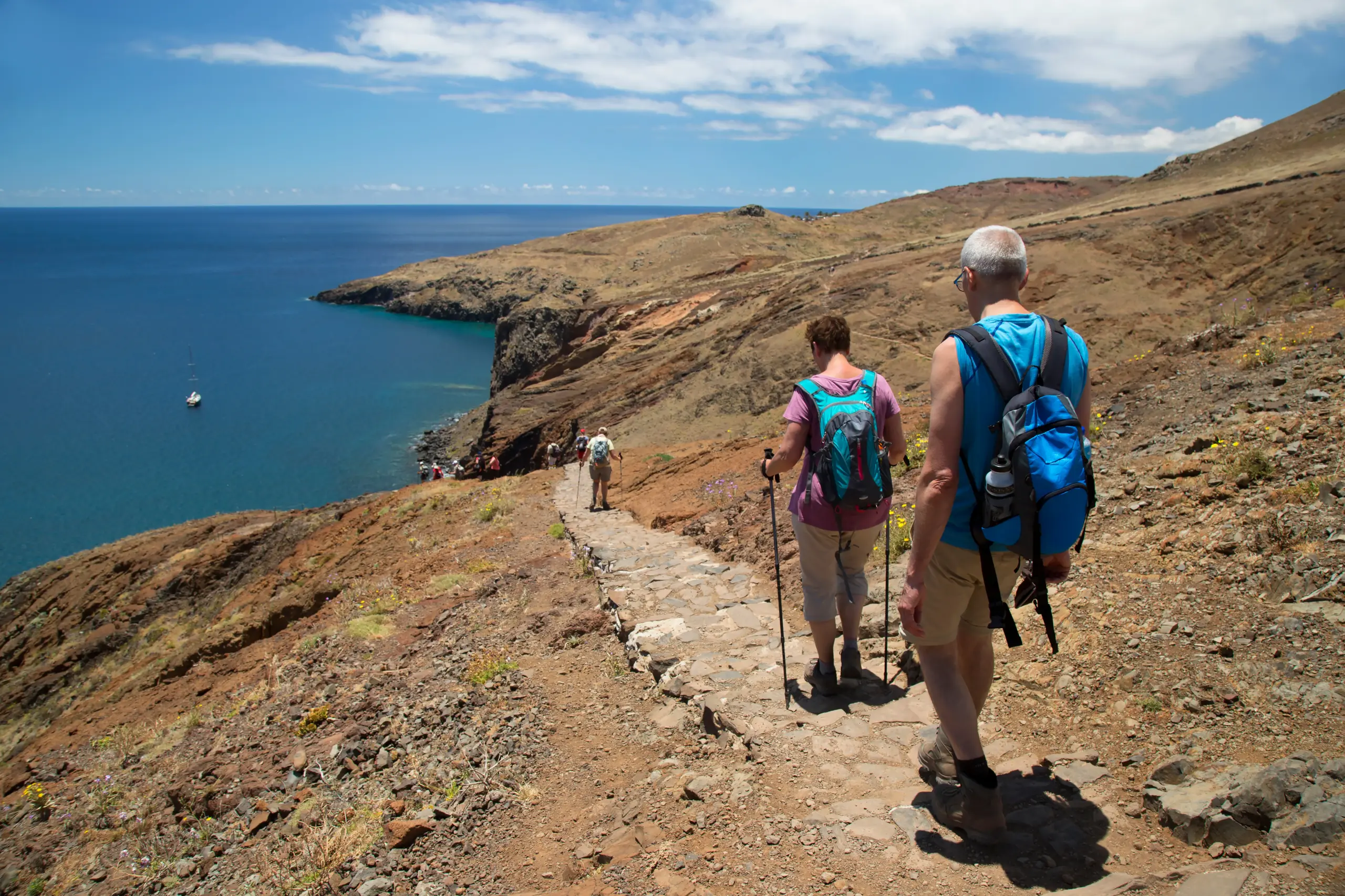
Embarking on a trip to the Galapagos is a dream for many, but it is a complex logistics puzzle that requires strategic planning to ensure you witness the full spectrum of what these Enchanted Isles have to offer. The first and most critical decision is choosing between a sea-based cruise or a land-based hotel stay. While cruises allow you to reach the most remote and uninhabited islands overnight, providing a twenty-four seven immersion in the marine environment, land-based stays offer more flexibility for those who want to explore at their own pace and interact with the local island communities. Other essential strategies for a successful trip to the Galapagos include packing high-quality reef-safe sun protection, choosing a reputable agency that employs certified naturalist guides, and preparing for the unique physical demands of daily landings on volcanic terrain.
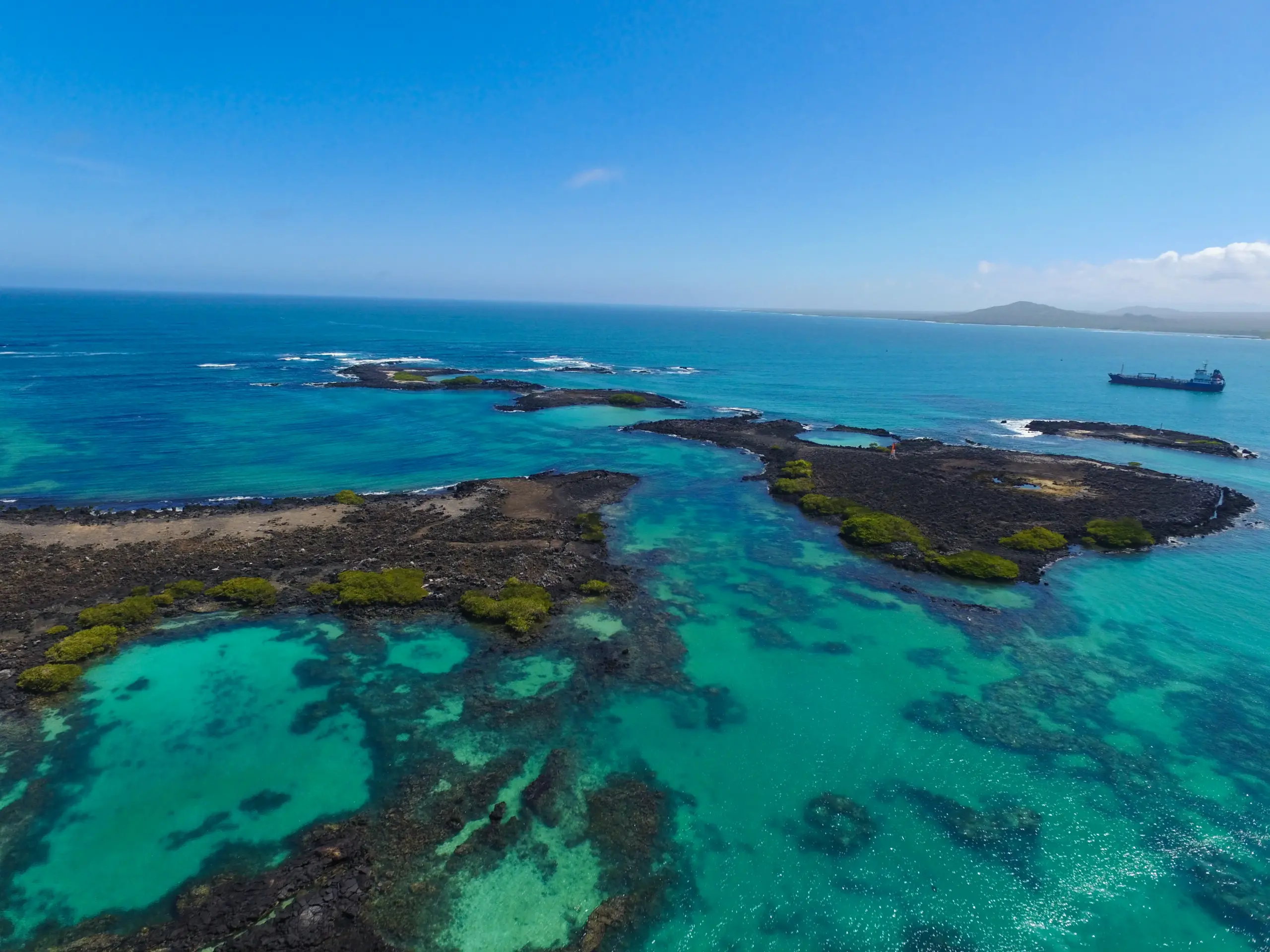

Another vital aspect of your planning should be the seasonal timing of your visit. The islands experience two distinct seasons: the warm, rainy season from December to May and the cooler, dry garua season from June to November. Each season offers a different palette of wildlife behaviors and ocean conditions. For example, those interested in snorkeling with the highest underwater visibility and warmer temperatures should aim for the early months of the year. Conversely, those who want to see the peak of bird nesting activity and marine life fueled by the cold, nutrient-rich Humboldt current should consider the later months. By aligning your personal interests with the islands‘ biological calendar, your trip to the Galapagos will transform from a simple vacation into a profound life experience that changes your perspective on the natural world.
Navigating Park Rules and Responsible Travel
Furthermore, understanding the entry requirements and fees is essential before you land. Every traveler must pay the Galapagos National Park entrance fee and obtain a Migration Control Card at the airport on the mainland. These funds are vital for the conservation and park ranger services that protect the islands. It is also important to remember that the Galapagos is a plastic-free environment; bringing reusable water bottles and avoiding single-use plastics is a requirement for responsible travel. At Galapagos Island, we guide our clients through these regulations, ensuring that every detail is handled so you can focus entirely on the blue-footed boobies and the ancient tortoises that await you in this volcanic sanctuary.
FAQs: Navigating Logistics and Expectations
What is the ideal length of time for a first-time visit to the islands?
We generally recommend a minimum of 5 to 8 days to visit a meaningful variety of islands and habitats. A shorter trip often feels rushed and may limit your sightings to only the most central and crowded visitor sites. An 8-day itinerary allows you to reach the outer edges of the archipelago where the wildlife is most abundant and the landscapes are at their most dramatic.
Do I need to be an expert swimmer or diver to see the marine life?
Not at all. One of the greatest secrets of the islands is that nearly all the iconic marine species can be seen perfectly well through simple snorkeling in shallow water. Most tours provide all the necessary gear, including life jackets and wetsuits for buoyancy and warmth. This makes the underwater world accessible to anyone with basic swimming skills and a sense of wonder.
Is there cell phone service or Wi-Fi available on the islands?
Cell service is generally available in the inhabited towns of Puerto Ayora, San Cristobal, and Puerto Villamil. However, once you are out at sea or on uninhabited islands, the connection is very limited or non-existent. Many cruise ships now offer satellite Wi-Fi, but we recommend treating your trip as a chance to digitally detox and reconnect with nature.
What is the currency used in the Galapagos?
The official currency of Ecuador and the Galapagos is the United States Dollar. While credit cards are accepted in major hotels and restaurants in town, it is essential to carry small denominations of cash for National Park fees, tips for crew and guides, and purchases at local artisanal markets.
What should I do if I am prone to seasickness?
If you are concerned about motion, we recommend choosing a large cruise ship or a stable catamaran. Additionally, land-based stays are a great alternative. There are several effective over-the-counter and prescription remedies available, and our staff can advise you on the best ways to stay comfortable during navigations.
Full Articles About Each Island in Galapagos